May 26, 2025 – Bible Recap Journal

Psalms 131, 138–139, 143–145

Common Theme
These psalms reflect a deep trust in God’s character—His nearness, knowledge, mercy, and eternal kingship. David models a posture of humility, dependence, and awe, acknowledging God as both intimately personal and supremely powerful.

Questions

  • How can resting in God’s knowledge and presence silence our pride and anxiety?
  • What attributes of God stir your worship or deepen your trust right now?

God Shot
God is the ever-present, all-knowing King whose steadfast love never fails. He sees everything, is near to the brokenhearted, and rules with mercy and righteousness over all creation.

May 25, 2025 – Bible Recap Journal

1 Chronicles 23–25

Common Theme


David organizes the Levites, priests, and musicians for temple service, emphasizing God’s order and purpose in worship. These chapters reveal the deliberate preparation for spiritual leadership that honors the holiness and presence of God.

Reflection Questions


– What does David’s organization of worship leaders tell us about how God values structure in worship?
– How might this model challenge or inform the way we think about preparation and service in our own faith communities?

God Shot


God is a God of order who delights in worship that reflects His holiness and glory. He raises up and appoints people—not at random, but by design—to honor Him with music, service, and intercession, showing that every act done for His house matters to Him.

May 24, 2025 – Bible Recap Journal

Psalms 108–110


Common Theme

God is the sovereign King who secures victory for His people, invites praise from all nations, and installs His chosen Ruler with power and eternal authority.


Reflection Questions

  1. How does God’s steadfast love and faithfulness anchor your confidence when facing opposition or uncertainty?
  2. What does Psalm 110 reveal about the nature of Christ’s kingship and priesthood, and how should this shape our view of His authority?

God Shot

God exalts Himself above the heavens and calls the nations to praise Him (Psalm 108); He hears the cries of the afflicted and acts on behalf of the needy (Psalm 109); and He installs His Son as King and Priest forever, seated at His right hand in majesty and dominion (Psalm 110). He is not only a mighty warrior but also an eternal priest—unshakable in justice and mercy.

May 23, 2025 – Bible Recap Journal

2 Samuel 24; 1 Chronicles 21–22; Psalms 30

Common Theme

God’s mercy tempers His judgment, and His sovereign purposes are often accomplished even through human failure. Despite David’s sin in numbering Israel, God redirects the consequences into preparations for the temple—a place of mercy and worship.

Reflection Questions

  • What does this passage reveal about how God responds to repentance and intercession?
  • How do God’s judgments and mercies work together to accomplish His long-term purposes?

God Shot

God is both just and merciful. Though His wrath was stirred by David’s sin, His heart moved to compassion, and He stopped the angel’s destruction. God not only forgave but chose the very site of judgment to become the place of worship. He is a God who transforms consequences into holy ground.

May 22, 2025 – Bible Recap Journal

Psalms 95, 97–99

Common Theme

These psalms proclaim the sovereign reign of the LORD over all creation and call His people to respond with reverent worship, joyful praise, and humble submission. God’s holiness, justice, and supremacy demand both awe and delight from those who know Him.

Reflection Questions

  1. How does recognizing God as King affect the way I worship, obey, and trust Him today?
  2. What does it mean to “rejoice in His holiness” (Psalm 97:12) in practical terms?

God Shot

The LORD reigns—not as a distant monarch, but as a present and powerful King whose justice, righteousness, and holiness define reality itself. He is not only exalted above all gods (Psalm 97:9), but He draws near to shepherd His people (Psalm 95:7), making His majesty both terrifying and tender.

May 21, 2025 – Bible Recap Journal

2 Samuel 22–23; Psalm 57

Common Theme

God is a steadfast deliverer and protector for those who trust in Him. These chapters celebrate God’s faithfulness in raising up a righteous king, empowering him to overcome enemies, and responding to cries for mercy with saving power.

Questions

  • How do these songs of David help shape our understanding of God’s role in both personal trials and national leadership?
  • What does David’s legacy—both in his mighty men and in his final words—teach us about the kind of character God honors?

God Shot

God reveals Himself as a rock, fortress, and Savior who delights in rescuing the humble (2 Sam 22:2–20). He is the God who empowers His people for battle and establishes His covenant with those who fear Him. In Psalm 57, He is the Most High who fulfills His purpose, sends from heaven to save, and whose steadfast love reaches to the heavens. We see a God who exalts Himself above the heavens and yet stoops low to shield His servant with mercy and faithfulness.

Our Father, Our Guide: A Daily Devotion from the Lord’s Prayer

Praying the Lord’s Prayer

Source: “Praying the Lord’s Prayer” by Brad Boyston, November 2006 – Original PDF document

Introduction

Jesus gave His disciples a model prayer—not simply a formula to recite but a framework to guide hearts in communion with God. The Lord’s Prayer in Matthew 6:9–13 teaches us how to approach God with reverence, dependence, and surrender.

1. “Our Father in heaven, hallowed be Your name”

This opening line affirms both intimacy and majesty. God is our Father—personal and present—but He is also holy, worthy of awe and adoration. To “hallow” His name is to recognize His sacred character in every prayer and every part of our lives (Matthew 6:9).

2. “Your kingdom come, Your will be done, on earth as it is in heaven”

Here we submit our plans and desires to God’s sovereign rule. This prayer aligns us with His purpose and invites His reign in our relationships, choices, and culture. We express our desire to see earth mirror heaven, yielding to God’s redemptive work (Matthew 6:10).

3. “Give us today our daily bread”

Jesus instructs us to ask for what we need each day—both physically and spiritually. This request nurtures our trust in God’s provision and reminds us of our dependence on Him, just as Israel relied on manna in the wilderness (Matthew 6:11; Exodus 16).

4. “Forgive us our debts, as we also have forgiven our debtors”

This part teaches humility and grace. We acknowledge our need for God’s mercy while extending it to others. Forgiveness is both a gift received and a command to be lived out in community (Matthew 6:12; Ephesians 4:32).

5. “And lead us not into temptation, but deliver us from the evil one”

We pray for protection against both spiritual pitfalls and the schemes of the enemy. This final petition declares our dependence on God for moral strength and spiritual safety (Matthew 6:13; 1 Corinthians 10:13).

Conclusion

The Lord’s Prayer is a daily invitation to center our hearts on God’s glory, kingdom, provision, grace, and power. It forms a rhythm of reliance and reverence that transforms our relationship with God.

Citations:

  • Matthew 6:9–13 – The Lord’s Prayer
  • Exodus 16 – God’s provision of manna
  • Ephesians 4:32 – Call to forgiveness
  • 1 Corinthians 10:13 – God’s faithfulness in temptation
  • Brad Boyston, “Praying the Lord’s Prayer,” November 2006 (PDF source)

May 20, 2025 – Bible Recap Journal

Psalms 5, 38, 41–42

Common Theme

These psalms express the cry of a suffering and often misunderstood servant of God, seeking mercy, healing, and hope. Despite emotional and physical anguish, the psalmists repeatedly turn their eyes toward God’s steadfast love and faithfulness.

Questions

  • How does honest lament open the door to deeper dependence on God?
  • What do these psalms teach us about God’s response to those who suffer in silence or are falsely accused?

God Shot

God is a compassionate refuge who listens to the groans of the afflicted and receives the prayers of the brokenhearted. He is unshaken by our mess and near to our pain—worthy of our trust even when we cannot feel His presence.

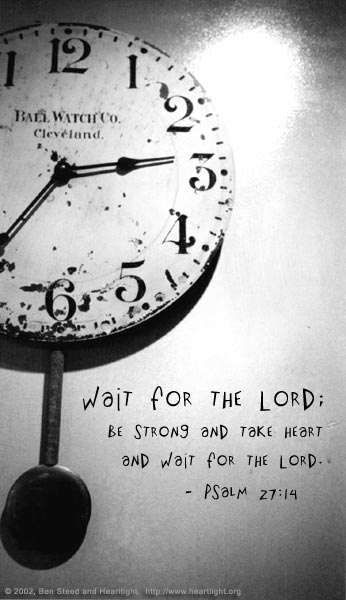
Waiting on the Lord: The Strength of Stillness

Psalm 27:14 – Wait for the Lord

“Wait for the LORD.” — Psalm 27:14

Waiting might seem simple, but it’s one of the hardest things for a Christian to learn. It’s easier to charge ahead than to stand still. Sometimes, even when you really want to do what’s right, you just don’t know what to do next. What then? Give in to fear or frustration? Back down, panic, or make impulsive decisions? No—just wait.

Wait by praying. Talk to God about your situation. Be honest about your confusion and ask Him to help you. In moments when you’re torn between two paths, come to God like a child, humbly and simply, and let Him guide you. It’s a good place to be when you recognize you don’t have all the answers and are ready to follow His lead.

Wait with faith. Don’t just wait and worry. Trust that God is working, even if you don’t see it yet. Even if He seems slow, He’s always right on time. His promises never fail.

Wait with quiet patience. Don’t complain about what’s happening. Instead, thank God, even in the struggle. Don’t blame others or wish for the past. Accept your current situation as part of His plan, and hand it all over to Him—your thoughts, your fears, your decisions—saying:

“Lord, not my will, but Yours.
I don’t know what to do, and I’m at the end of my rope, but I’ll wait.
I’ll wait for You to calm the storm or clear the way.
I’ll wait as long as You want, because my heart is fixed on You alone.
I trust You, God. You are my hope, my rescue, my shelter, and my strength.”


Citation:
Inspired by Charles H. Spurgeon, Morning and Evening: Daily Readings, August 30 entry. Public domain.

Image Source: Heartlight.org

May 19, 2025 – Bible Recap Journal

2 Samuel 19–21

Common Theme

God restores David’s kingship amid lingering consequences of sin and brokenness. Justice, mercy, and covenant loyalty are interwoven as God continues His purposes despite human failure.

Questions

  • How does David balance mercy and justice as he returns to power?
  • What does God’s response to Saul’s past sin teach us about the lasting impact of disobedience?

God Shot

God is both just and faithful. He remembers covenants (like with the Gibeonites) and holds leaders accountable, even across generations. Yet in the midst of chaos, He upholds His chosen one—restoring David and preserving His promises through human frailty.